


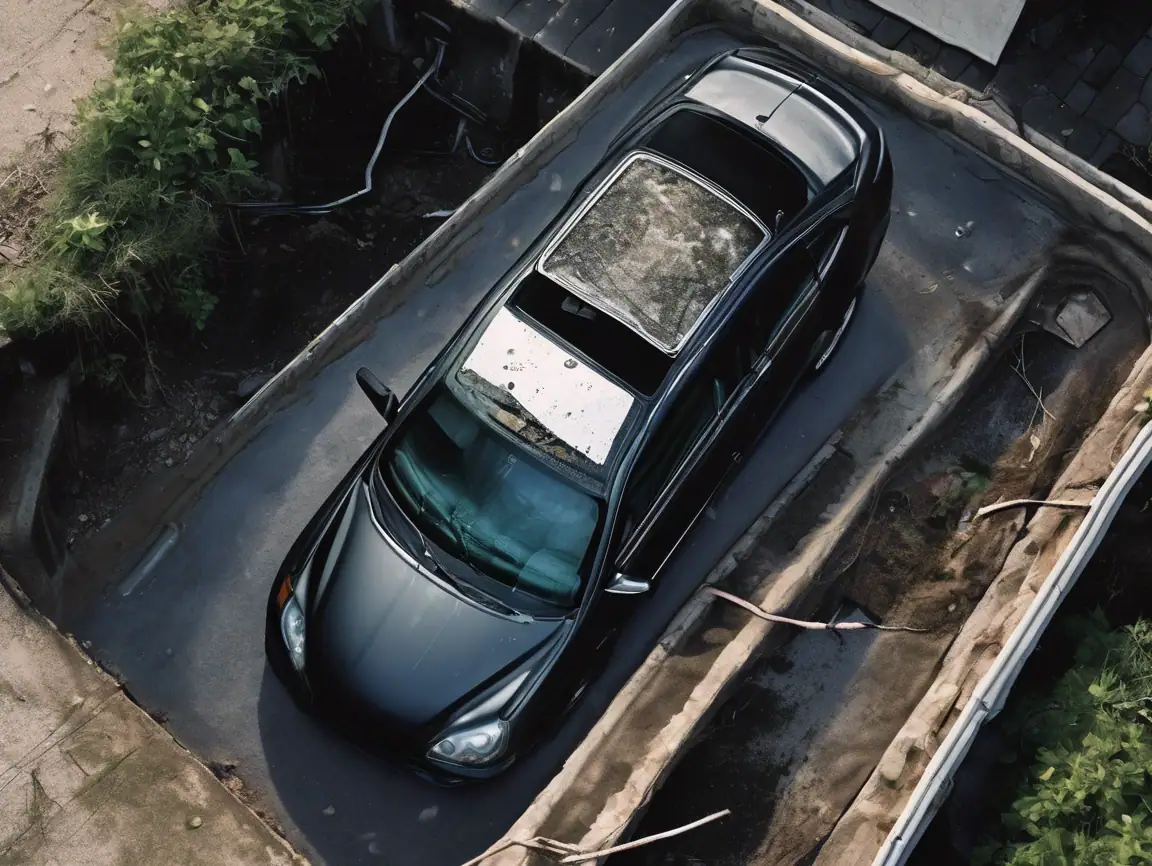
Why do sunroofs leak after a few years?
Introduction
Sunroof leaks are a common problem for many vehicle owners, especially after many years of use. What are the underlying causes of these leaks, and how can they be avoided? In this article, we explore the main factors insunroof sealing, signs of leaks and best practices for preventing them.
1. The 4 main causes of sunroof leaks
1.1 Seal wear: the main cause of sunroof leaks
The rubber or silicone gaskets thatseal the sunroof age over time. Under the effect of sun, frost, rain or chemicals (such as de-icing salt), seals can crack, harden or lose their elasticity, leading to obvious sunroof leaks.
1.2 Clogged drains: another cause of leaks
The sunroof is designed to drain water via drainage channels. If these channels become blocked by debris, leaves or dirt, water can collect and cause infiltration. This can lead to a sunroof leak, especially after washing or heavy rain.
1.3 Misalignment or closure fault
If the sunroof is misaligned or doesn’t close properly, water can seep in. This type of problem can be caused by an impact or a manufacturing defect. When a sunroof doesn’t close tightly, it becomes vulnerable to leaks, especially in extreme weather conditions.
1.4 Mechanical failure or damage to internal components
Another contributing factor to sunroof leaks is the deterioration of internal mechanical components, such as the motor or rails. If these components are worn, the sunroof may not close completely, causing water to leak into the passenger compartment.
2. How to detect a sunroof leak
The signs of a sunroof leak are easy to spot. Here’s what to look for:
- Traces of moisture or mould around joints or headlining
- Water droplets appearing on the headliner or seats after rain or washing
- Persistent damp smell in the cabin
- Problems with sunroof controls or associated electronics
3. How to repair a sunroof leak: practical steps
3.1 Check seals and replace if necessary
- Inspect seals for cracks or signs of wear.
- If the seals are damaged, it is advisable to replace them. We offer seal kits specifically designed to repair sunroof leaks on popular models such as the VW Golf, Audi A3, etc.(see kits).
3.2 Cleaning drainage channels
- Use a blowgun or wire to clear obstructions in the channels.
- Test the channels by pouring a small amount of water at their entrance to check their efficiency.
3.3 Checking the locking mechanism and rails
- Check that the roof closes properly and that the rails are clean and functional.
- If necessary, lubricate the rails to ensure optimum operation.
4. Preventive maintenance to prevent sunroof leaks
- Clean seals regularly with a soft cloth and soapy water.
- Apply a silicone-based lubricant to protect the joints and maintain their elasticity.
- Check the drain channels every 6 months to prevent dirt build-up.
- Make sure the roof closes tightly by checking the rails and closing mechanisms.
5. Conclusion
Sunroof leaks can be prevented by regular maintenance and early detection of problems. By following the repair and maintenance steps, you can extend the life of your sunroof and avoid costly repairs. For all your replacement parts and accessories needs, visit our specialist store.








Add comment